
How to Sell an Inherited House Fast (Without Repairs or a Clean-Out)

Selling an inherited house starts with authority, not repairs
When a family member leaves you a house, the first question is often, “How quickly can we sell it?”
But before you worry about repairs, cleaning, showings, or belongings, start with a more important question:
Who has the legal authority to sell the property?
That question can affect whether you can sell an inherited house fast. It can also determine who must sign, whether probate approval is needed, and how debts connected to the property are handled.
An inherited house may be sold as-is, even when it needs substantial repairs or still contains furniture and personal belongings. However, the timeline varies with property condition, title, probate requirements, lender requirements, and any third-party approvals.
This guide explains the main questions to ask. It is not legal, tax, or financial advice.
1. Whose name is on the deed right now?
A will may explain who someone wanted to inherit the property, but a will does not always establish the current record owner or give every beneficiary the ability to sign a purchase agreement.
Start by locating the most recent recorded deed. The property may have been held:
- Solely in the deceased owner’s name
- Jointly with survivorship rights
- In a trust
- With a beneficiary or transfer-on-death deed
- Through another ownership arrangement
A title company or real estate attorney can help review the deed and identify mortgages, liens, judgments, tax claims, easements, or other title matters.
The person who expects to inherit the property may not be the person who can sign today. Depending on the ownership structure and probate status, the appropriate signer could be:
- The personal representative or executor
- A trustee
- Surviving joint owners
- Beneficiaries after title has been transferred
- Multiple heirs together
Do not assume that one family member can sign for everyone. Confirm the authority before accepting an offer or signing a contract.
2. What does probate change?
Probate is the legal process used to administer many estates. It can identify heirs, address creditor claims, confirm authority, and establish how estate property may be transferred.
Probate does not always prevent a sale. In some situations, a personal representative may be able to sell property during probate. In others, court permission, additional notices, or a completed transfer to the heirs may be required.
Atlanta metro and Georgia
In Georgia, personal representatives may have authority to sell estate property, but the will, probate documents, and circumstances of the estate still matter. A sale may involve a petition to the probate court, notice to heirs or beneficiaries, and reporting requirements.
The official Georgia Probate Court form GPCSF-13 addresses a personal representative’s request for permission to sell property. Families in Fulton, DeKalb, Cobb, Gwinnett, and surrounding counties should ask the applicable probate court or a Georgia attorney what process applies.
Phoenix and Arizona
Arizona personal representatives may have broad powers to sell estate assets, including real property. However, the will, creditor issues, probate type, and title requirements can still affect the transaction.
The Arizona statute on personal representative transactions and the Maricopa County Superior Court probate resource guide provide starting points. A local attorney or closing professional can help determine whether the estate needs formal probate, informal probate, a real-property affidavit, or another procedure.
Louisville and Kentucky
Kentucky has its own estate administration and deed-recording requirements. In Jefferson County, the personal representative, heirs, and closing attorney may need to coordinate estate documents before a deed can be recorded.
Kentucky’s deed requirements under KRS 382.135 are one item to review. The exact process can depend on whether the property passes through a will, intestacy, joint ownership, or another arrangement.
3. What if multiple heirs disagree?
Multiple heirs can make a sale more complicated, especially when one person wants to sell and another wants to keep the house.
Questions to clarify include:
- Who are all the heirs or beneficiaries?
- Has everyone been notified?
- Who has authority to make decisions for the estate?
- Does the will address the property?
- Does one heir want to buy out the others?
- Are any heirs minors, incapacitated, missing, or living outside the state?
- Does everyone agree about the belongings inside the house?
Depending on the probate and ownership structure, the personal representative may be able to sell for the estate, or all owners may need to sign. A probate attorney can explain the available options if an heir objects or cannot be located.
Before moving forward, it may help to put the family’s agreement in writing. The agreement can address the proposed price, property expenses, personal belongings, possession, closing timeline, and distribution of proceeds.
4. What happens to the mortgage, reverse mortgage, liens, and taxes?
An inherited property can come with financial obligations that do not disappear when the owner dies.
A mortgage or home equity line of credit may need to be paid off at closing. A reverse mortgage may become due when the last borrower dies or no longer meets the loan’s occupancy requirements. Contact the loan servicer promptly and request:
- A current payoff statement
- Instructions for heirs or the estate
- Any foreclosure or maturity deadlines
- Information about extensions or approved sale procedures
- The process for handling insurance and property access
Also request a title search and current payoff or balance information for:
- Mortgages and HELOCs
- Reverse mortgages
- Property taxes and assessments
- Judgment or mechanic’s liens
- HOA dues and special assessments
- Municipal charges
- Other recorded claims
When estimating what may be received from a sale, remember that amounts that come out of a seller's proceeds by law or by agreement, as applicable may include a mortgage payoff, liens, delinquent taxes, HOA balances, or the seller’s own attorney if they hire one.
VLD Premier Group covers the closing costs on our purchase. There are no agent commissions or listing fees. That does not eliminate debts or other amounts that must be paid from the estate or seller’s proceeds.
For Atlanta-area properties, review county tax records and tax-sale information, including the Fulton County tax sales page. For Louisville properties, the Louisville Metro delinquent tax information and Jefferson County delinquent tax resources may help identify issues to discuss with a closing professional.
Kentucky inheritance tax is a separate issue from delinquent property taxes. The Kentucky Department of Revenue inheritance tax information explains that treatment can depend on the beneficiary’s relationship to the deceased and the value involved.
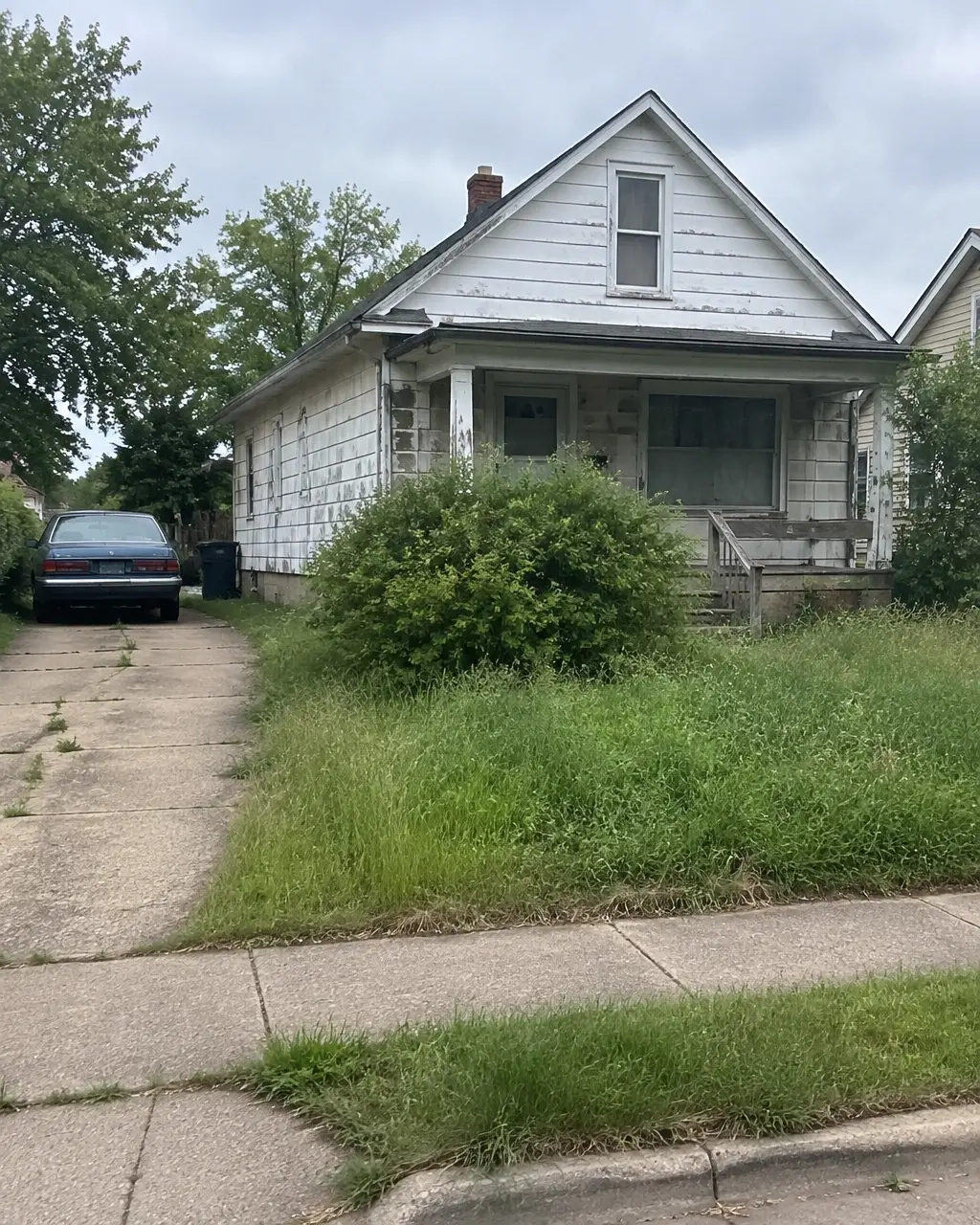
5. Do you have to clean out the house first?
Not always.
Some inherited houses still contain furniture, clothing, appliances, family records, and years of personal belongings. If you want to sell without completing a full clean-out, ask the buyer and closing professional how the purchase agreement will address the contents.
Possible arrangements include:
- Selling the property with remaining items included
- Removing only important documents and valuables
- Hiring an estate-sale or auction company
- Donating usable items
- Using a haul-away or clean-out service
- Agreeing that the buyer will handle remaining contents after closing
Put the agreement in writing. Be especially careful with cash, jewelry, firearms, medications, financial records, pets, photographs, and items that may be important to another heir.
An as-is sale does not automatically resolve questions about known defects, environmental hazards, municipal violations, or required disclosures. Share known information with the closing professional and consult your own attorney when needed.
6. Why can waiting cost money?
A vacant house continues to create expenses even when no one is living there.
While probate or family discussions continue, the estate may still need to pay for:
- Mortgage or reverse-mortgage obligations
- Property taxes
- HOA dues
- Insurance
- Utilities
- Lawn care and pest control
- Security, locks, and property checks
- Emergency repairs
- Winterization where needed
- Municipal code or nuisance charges
Vacant houses can also face theft, vandalism, water damage, mold, broken pipes, or insurance restrictions. Notify the insurer, ask whether vacancy affects coverage, secure the property, and arrange regular inspections.
Waiting may still be the right choice if the family needs time to resolve title, probate, tax, or personal issues. The point is to understand the carrying costs before deciding whether to sell now or later.
7. Compare the right sale options
You may see phrases such as “we buy houses cash,” “cash home buyers,” or “as is home buyers.” Those terms describe a possible direct-sale approach, but they do not eliminate the need for title review, probate authority, payoff statements, or a written agreement.
If you are researching how to sell a distressed house, compare the likely net proceeds and responsibilities, not only the headline price.
You can also read:
- How to Sell a House Fast in 2026, Even If It’s in Rough Shape
- What Is a Real Estate Cash Offer? How to Tell a Good Offer From a Bad One
VLD Premier Group LLC is a principal buyer. We buy properties directly for our own account and are the buyer of record. We do not act as an agent, broker, realtor, or brokerage, and we do not represent sellers or sell a seller’s property to a third party.
VLD Premier Group works with homeowners in:
- Georgia, statewide, with Columbus, Newnan, LaGrange, Atlanta metro, North Georgia, plus Harris County towns: Hamilton, Cataula, Waverly Hall, Pine Mountain, Shiloh, Ellerslie, West Point
- Alabama, Auburn/Opelika and Phenix City
- Arizona, Phoenix
- Kentucky, Louisville
- Florida, Panama City Beach
If you contact VLD about an inherited house, you can share the property’s condition, probate status, occupancy, mortgage information, and any known title concerns. A proposed timeline varies with property condition, title, probate, and any third-party approvals.

A practical starting checklist
Before pursuing a fast sale, consider gathering:
- The recorded deed
- The will or trust documents
- Probate case information
- Letters of authority, if applicable
- Death certificate
- Mortgage or reverse-mortgage statements
- Property-tax records
- HOA notices
- Insurance information
- A list of heirs and beneficiaries
- Photos of the property and belongings
- Any foreclosure, lien, or court notices
A title company, probate attorney, accountant, or housing advisor can help you understand which documents apply to your situation.
VLD Premier Group LLC is a real estate investment company that buys properties directly as a principal. We are not a real estate brokerage and we do not represent sellers. Nothing on this page is legal, tax, financial, or investment advice, and nothing here is a binding offer to purchase any property. Any transaction is documented in a written purchase agreement and is subject to property condition, title review, and our own due diligence. Please consult your own attorney, accountant, or housing advisor before making a decision.
Viola DeLaigle
VLD Premier Group LLC
762-429-8537
762-422-1554
info@vldpremiergroup.com
8735 Dunwoody Place, Suite R, Atlanta, GA 30350
